Most people do not need another reminder that brushing matters. They need a routine that still happens when a child refuses bedtime, an evening shift runs late or the bathroom is occupied just as everyone is trying to leave. Advice can sound effortless on paper and feel surprisingly awkward in real life.
Good home care has two parts: knowing what needs to be cleaned and making that task easy enough to repeat. Buying an elaborate toothbrush addresses neither part by itself. A modest set of suitable tools, a clear technique and a dependable place in your day can be more helpful than a cupboard full of products.
If you are looking for advice about brushing and flossing in Guelph, start with the routine you actually have. Keep what works. Identify the part that keeps falling apart. Then ask for help with that specific obstacle rather than trying to become a completely different person overnight.
Give each part of the routine a job
Brushing and cleaning between teeth reach different surfaces. The American Dental Association recommends brushing twice daily with a soft-bristled brush and fluoride toothpaste, along with daily cleaning between teeth. The outside, inside and chewing surfaces all need attention. These are the basic tasks behind its brushing guidance.
Think of your routine as a short route around your mouth. If you always begin at the front and stop when the brush feels foamy, some areas may receive far more attention than others. Pick a consistent starting point and move methodically, including the surfaces that are harder to see.
A timer can help you notice how long your usual routine takes. The point is not to stand at the sink watching seconds pass; it is to give yourself enough room to complete the route. If you consistently finish early, slow down and check which surfaces you rushed.
Keep the sequence simple enough that you can remember it when tired. You should not need a twelve-step chart for an ordinary evening. A short, repeatable approach is easier to bring to a dental appointment and adjust when someone shows you a missed area.
Make technique a practical conversation
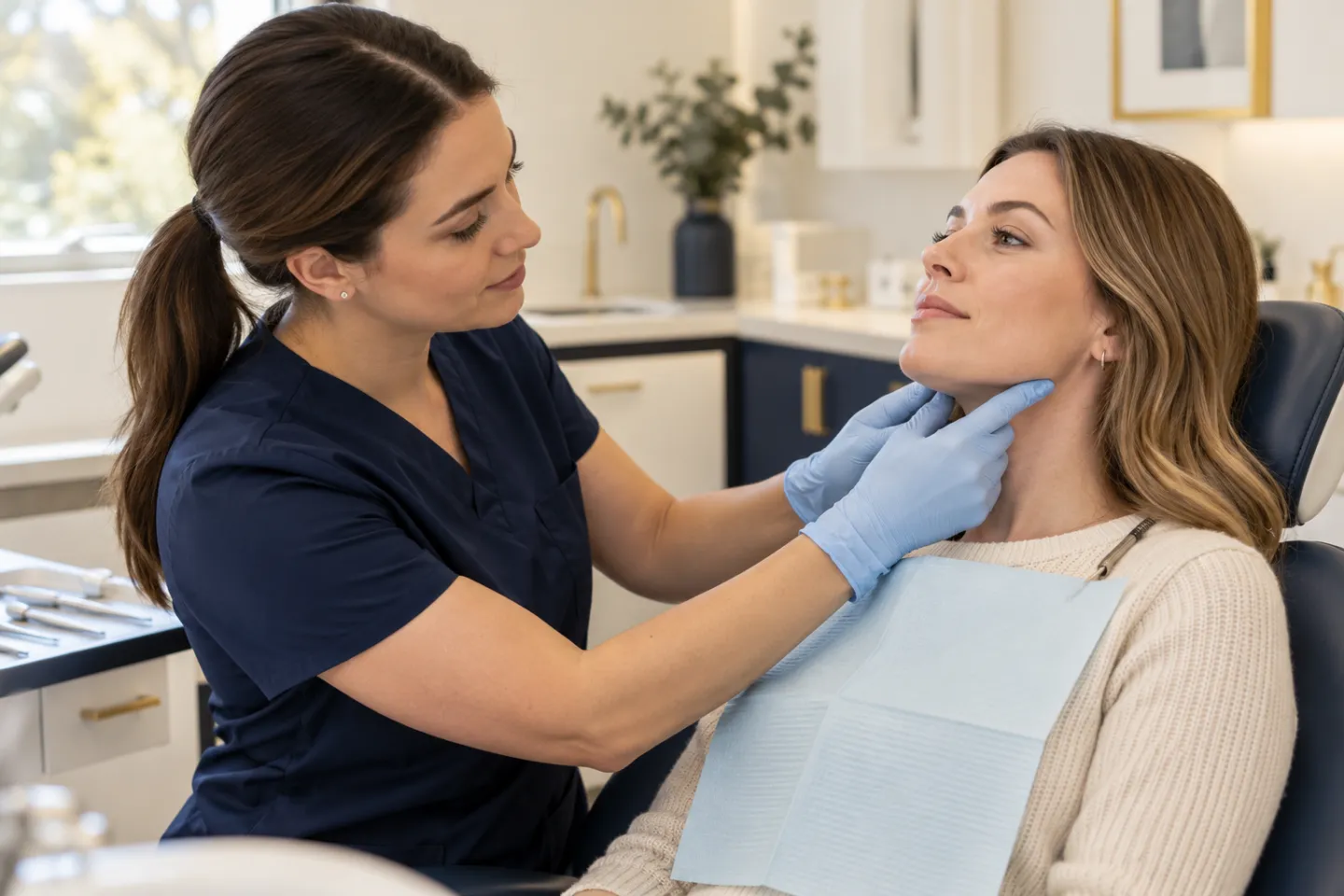
Ask your hygienist to demonstrate the angle and movement of your brush in your own mouth. If you are unsure, show what you normally do. A demonstration is much more useful than nodding along to instructions you cannot picture.
For a manual brush, the Canadian Dental Association describes gentle movement where teeth and gums meet, with the brush held at roughly 45 degrees. Forceful scrubbing is not the goal. If you have an electric brush, follow its particular instructions and ask how to position that head correctly.
Notice where you feel clumsy. The inside of the lower front teeth might be awkward; perhaps the brush handle bumps your cheek near the back. These details help someone suggest a change in grip, head size or approach. Saying “I cannot reach this side comfortably” is a useful request for assistance.
You can also ask which area should get extra attention based on your examination. Personal feedback makes the advice concrete. A general instruction to improve brushing is much harder to act on than being shown one surface and practising how to reach it.
If your brush looks worn unusually quickly, mention that too. Bring it with you or take a clear photograph. There may be a useful conversation about the tool, your pressure or the way you hold it, without assuming that the appearance proves any particular problem.
Choose a way to clean between teeth that you can use
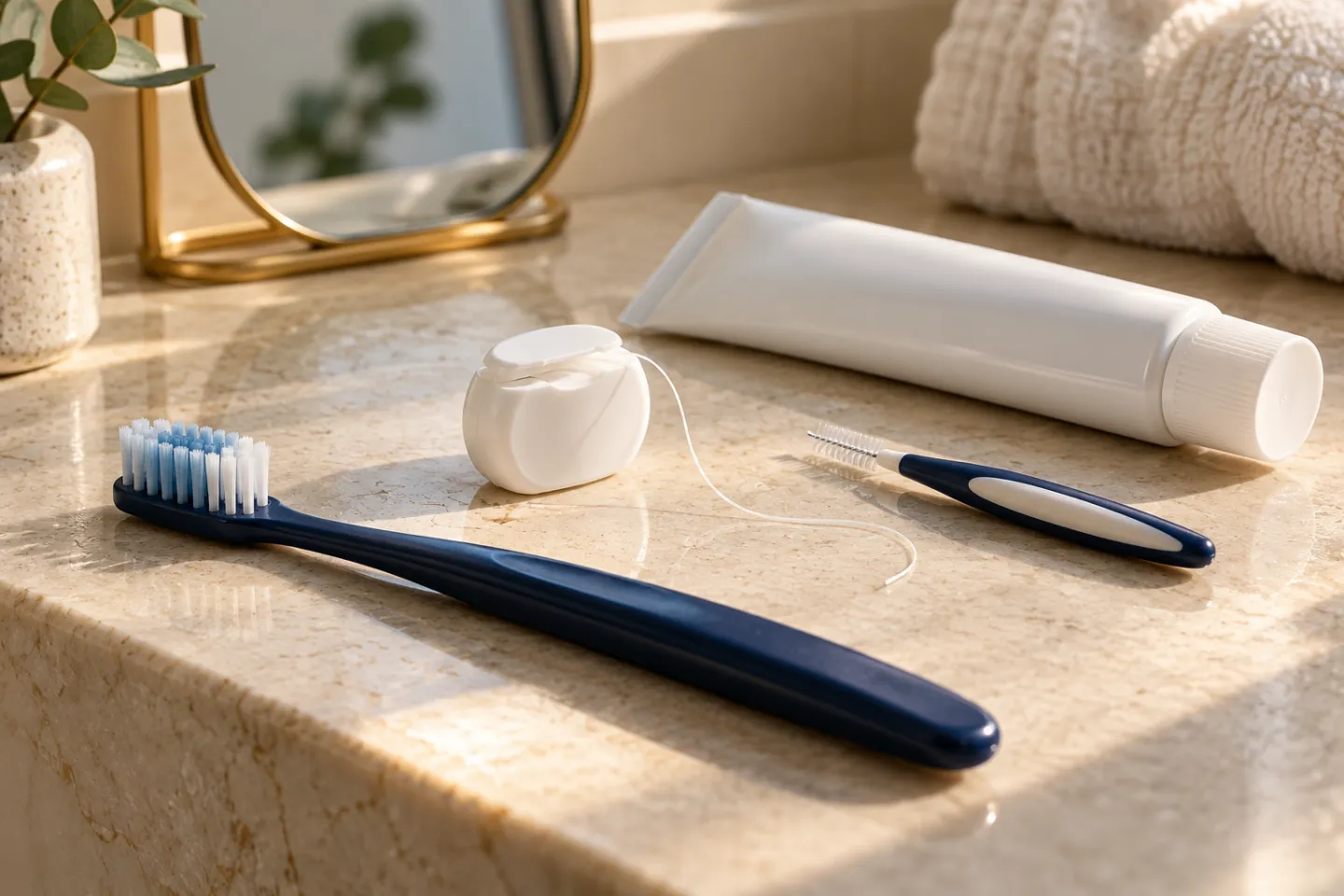
Traditional floss is one option, not a test of personal discipline. Interdental brushes, floss holders and water flossers may suit different mouths and different abilities. The right choice depends partly on the spaces involved and whether you have appliances or dental work to clean around. The ADA’s overview of interdental cleaners describes this individual approach.
Before buying a large collection, ask someone to show you a suitable tool. If an interdental brush is recommended, ask about its size and the places it should go. If floss is recommended, practise guiding it around each tooth rather than simply pushing it through the contact and pulling it out again.
Do not force a device into a space where it does not seem to fit. Explain what happens: does the floss catch, does a handle feel too bulky, or do your fingers make it difficult to reach? A different design or an adjusted technique may make the task easier to understand.
For anyone helping an older family member, the question is also about access. A tool that works well in your own mouth may be awkward when you are assisting somebody else. Ask for a demonstration of the actual caregiving position and make sure the person receiving help is comfortable with it.
The product should fit the task and the person. A device that stays in its packaging because it feels confusing is not a successful recommendation, however impressive it looked online.
Find the moment that survives an ordinary week
Many routines fail at the same predictable point. You plan to clean between your teeth immediately before bed, but by then you are too tired to start. Instead of repeating that plan with more determination, consider a time when you usually have a little more attention available.
The ADA’s patient guide to flossing notes that the order relative to brushing matters less than thorough daily cleaning. Morning or another convenient time can work if bedtime is consistently difficult.
Choose a clear cue. You might keep the appropriate supplies beside your evening face wash or set a quiet reminder before you begin winding down. The cue should connect with something you already do, rather than depend on remembering an entirely new task in the middle of a busy day.
Plan for the version of your week that actually happens in Guelph: workdays, school mornings, commuting, errands and the occasional late arrival home. A routine that only fits a peaceful Sunday is unlikely to feel dependable.
If a day goes badly, resume your normal care at the next opportunity. Do not turn one missed task into a reason to avoid the whole routine for another week. At your next appointment, describe what made consistency difficult. That is information the dental team can help you work with.
Keep the bathroom setup uncomplicated
Look at where the tools live. Are they easy to reach? Is the floss tucked behind several bottles? Does the electric brush have a working charger? Is a child’s brush clearly distinguishable from everyone else’s? Small practical problems can create unnecessary friction.
Give each person an identifiable set of supplies and enough space to use them. Keep products according to their labels and out of young children’s reach when appropriate. Avoid making the routine depend on finding an accessory that regularly disappears into a drawer.
For travel or an overnight stay, a simple packing checklist can be useful: your brush, your usual toothpaste and the interdental tool you have been shown how to use. A backup kit is about convenience, not an excuse to keep using a damaged brush because it happens to be in the bag.
Think about replacement as ordinary household maintenance. The ADA advises replacing a brush every three to four months, or sooner if the bristles are frayed. Adding that check to an existing shopping list is easier than trying to remember the purchase date indefinitely. See its toothbrushing recommendations.
There is no prize for the most decorative bathroom display. The useful setup is the one that makes the next cleaning session straightforward.
When taste, texture or dexterity gets in the way
Advice should account for sensory preferences and physical ability. A toothpaste flavour may feel overwhelming. A narrow handle may be difficult to grip. Standing at a sink may be tiring. Those experiences deserve practical discussion, not an assumption that you are unwilling to care for your teeth.
Describe the exact obstacle. “The taste is too strong” invites a different conversation from “toothpaste does not work for me.” “My hand loses its grip after a minute” is more useful than “I am bad at brushing.” Specific language helps your care team suggest options you can evaluate.
Ask about suitable fluoride toothpaste choices, handle adaptations or an alternative tool for cleaning between teeth. If you try something new, give feedback about what changed. An option that improves grip but cannot comfortably reach the back teeth may still need adjustment.
For children, the amount and choice of toothpaste should follow age-appropriate professional advice. Do not assume that an adult routine simply scales down to a smaller brush. Our infant dental care guide offers a starting point for questions about early home care.
Avoid turning discomfort into a guessing game
Cleaning should not become an exercise in enduring pain. If you repeatedly notice bleeding, soreness, a catching spot or sensitivity, tell the dental team. Describe where it happens and what you are doing at the time instead of quietly abandoning that area.
It can be tempting to add a rinse, change every product and brush more forcefully all at once. That makes it difficult to understand the problem and can distract from getting useful advice. Ask for a clear plan that distinguishes technique changes from anything that needs examination.
You can read our gum disease guide for background, but a webpage cannot tell you why your particular gums bleed. Bring the question to your appointment and ask what the findings mean for your home care.
The same applies to colour. A brighter-looking smile is not a complete measure of cleanliness, and a toothbrush is not a tool for endlessly scrubbing away every visible difference. Ask about the appearance of your teeth separately from how to clean them well.
Use professional visits to refine the routine
A cleaning appointment is a useful place to compare your intentions with what is happening in practice. Bring the names of the products you use and one or two questions that have been bothering you. You do not need to demonstrate a perfect week first.
Ask for one clear improvement you can concentrate on. Perhaps that means reaching a neglected surface, changing an awkward flossing tool or moving the routine to a more reliable time. Once that adjustment feels familiar, you can review the rest.
Our dental cleaning guide explains more about professional care. Home care and professional visits have different roles, and the conversation between them is what makes the plan personal.
Brushing and flossing in Guelph do not require a complicated wellness ritual. They require suitable tools, a technique you understand and enough flexibility to fit a real household. Build the routine around those things, and use your dental team to solve the parts that remain awkward.
Further reading
- American Dental Association: Brushing your teeth
- Canadian Dental Association: Flossing and brushing
- American Dental Association: Interdental cleaners
- American Dental Association: Flossing
This article offers general education. Your dental team can help you apply it to your own health, treatment and recovery.