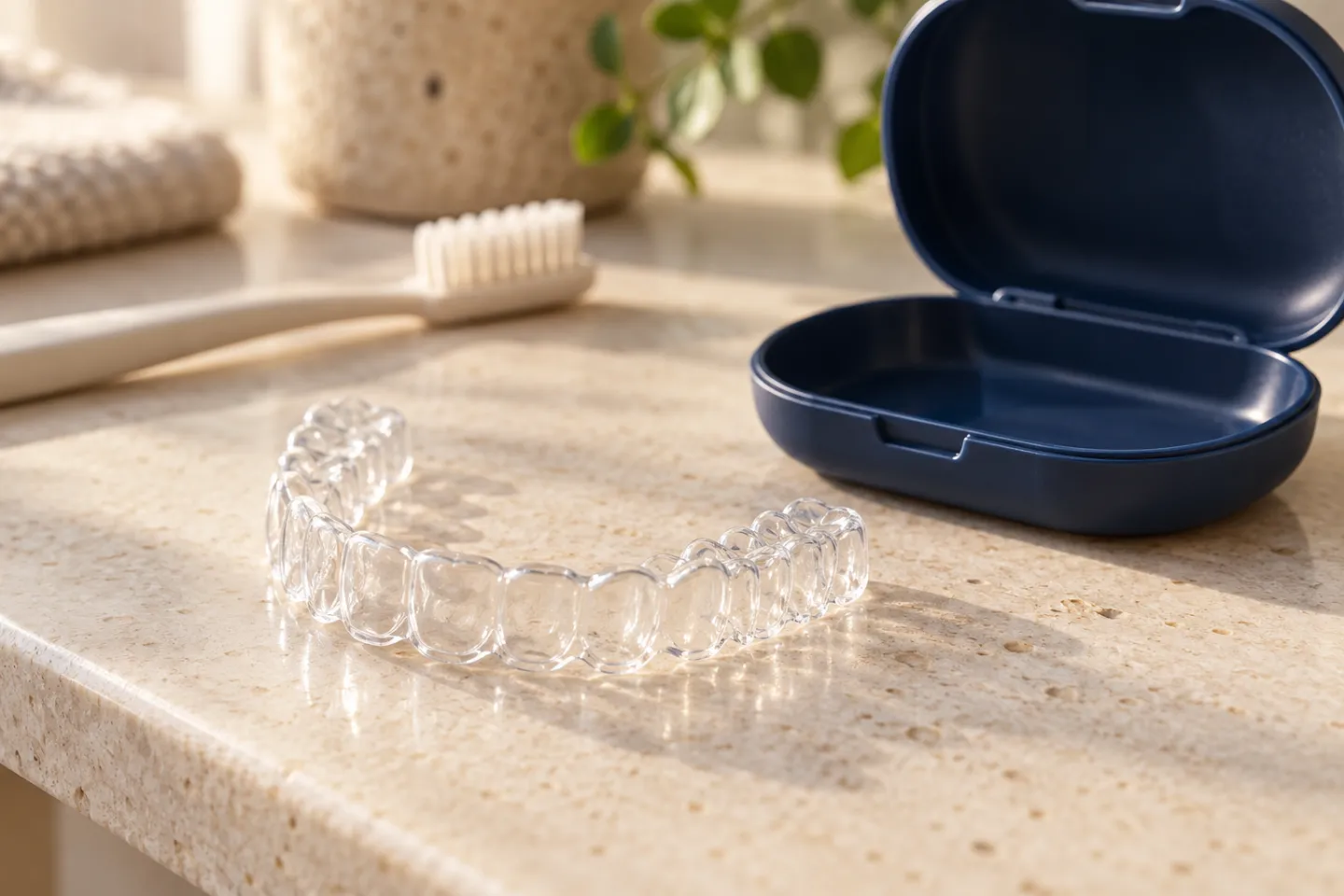
Clear aligners are often introduced with a photograph of a nearly invisible appliance. The photograph does not show breakfast, a long meeting, a forgotten case or the moment you realise your usual coffee lasts most of the morning. Those details are part of treatment too.
For someone considering clear aligners in Guelph, a useful question is not simply whether the trays are discreet. It is whether the treatment is clinically suitable and how the daily routine will fit around work, school, meals and care at home.
The removable design offers flexibility, but it also gives you an active role. Understanding that role before starting can help you decide whether aligners make sense for you and what support you will need to use them consistently.
The plan comes before the plastic
Clear aligners are a sequence of custom appliances that apply controlled forces to move teeth gradually. Their shape changes through the series. The number of appliances and the time involved depend on the movements being planned, not simply on how crooked the front teeth appear. The American Association of Orthodontists’ aligner overview explains this basic process.
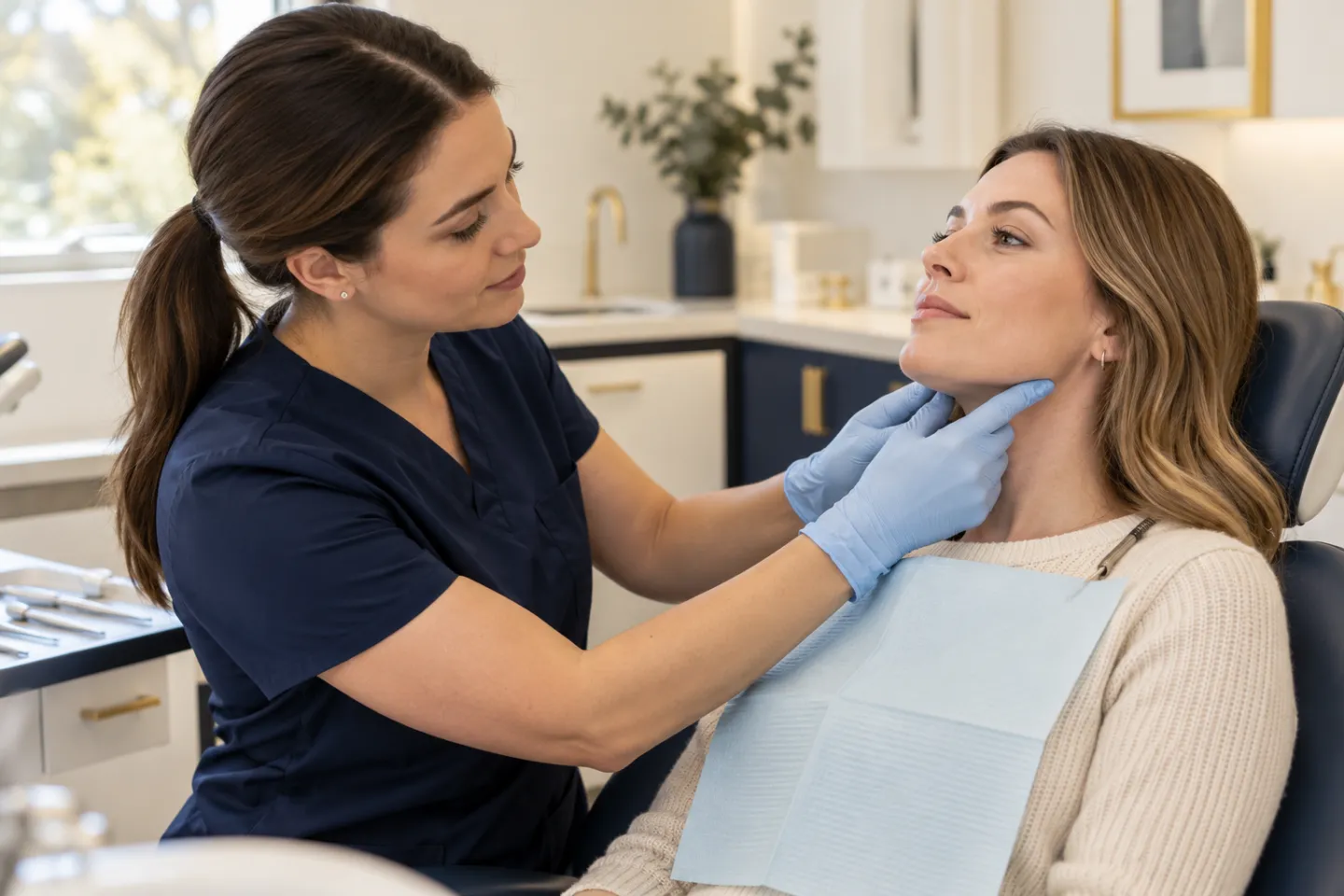
An assessment looks at more than the visible smile. The way the teeth meet, their support and the movements needed all matter. Some cases are better suited to another approach or a combination of techniques. The British Orthodontic Society emphasises the need for a proper diagnosis and treatment plan.
When you see a digital simulation, ask what it represents. A planned sequence is a way to explain intended movement; it is not a guarantee that your teeth will follow every image exactly. Find out how the actual response will be checked and how adjustments are handled if needed.
Be specific about what you hope to change. “I want the overlapping front teeth addressed” starts a different conversation from “I want my bite to feel more comfortable.” A clear goal helps you understand whether the proposed treatment addresses the concern that brought you in.
At the first fitting, learn the small tasks
The first fitting is the time to practise putting the appliances in and taking them out. Do it yourself while someone can check the technique. It is much easier to resolve an awkward corner or uncertain grip in the office than over a rushed lunch later.
Learn how the aligners are labelled and how to identify the correct upper and lower pieces. Keep the packaging organised so you can find the current stage and the sets you have been told to retain. A simple storage box can prevent a sequence of nearly identical trays from becoming confusing.
Get your wear and change schedule in writing. Different plans can use different intervals, so follow your own instructions rather than copying a friend’s schedule. Do not move ahead because the next set is available or because an app reminder appears earlier than expected.
Ask what you should do if a tray does not seat as demonstrated, if an edge irritates you or if an attachment comes off. Save the office contact details with your treatment information. That preparation is more useful than collecting repair suggestions before a problem has occurred.
Our SureSmile aligner care guide provides a reference for daily care. Your individual treatment instructions determine the specific schedule and any additional appliances you need.
Breakfast introduces the main routine
Aligners are generally removed for meals and drinks other than plain water, and they need to be worn for the daily duration prescribed by the treating clinician. Regular removal for long stretches can interfere with the plan. The AAO’s clear aligner information explains the importance of wear and removal during eating and cleaning.
At breakfast, give the appliance a predictable place to go: its case. Wrapping a clear tray in a napkin makes it easy to mistake for rubbish, especially when someone else clears the table. Putting it loose beside the plate also creates one more thing to remember during a busy morning.
Think through the sequence before leaving home. Remove, store, eat, clean as instructed and reinsert. Keep the supplies where that sequence actually happens. If your case lives in yesterday’s jacket pocket, the routine depends on finding it at exactly the moment you are trying to leave.
A visible reminder can help at first. You might place the empty case beside your keys or set a discreet phone alert. The purpose is to support the prescribed routine, not to turn the day into constant monitoring.
The long coffee is a planning question
A drink stretched across a morning can take more thought than a short meal. If you usually sip coffee between calls, discuss how that habit fits with removal, cleaning and the required wear time. Plain water and a hot, sweetened drink are not interchangeable in an aligner routine.
The aim is not to invent a restrictive diet. It is to make the practical trade-off visible. You may decide that a defined coffee break is easier than repeated removal and reinsertion throughout several hours. Someone else may need a different schedule around shift work.
Avoid quietly extending time out of the mouth and hoping the next tray will compensate. If the routine is proving unrealistic, tell the treating team. Honest information about wear helps them assess progress and suggest an appropriate response.
You can review a normal weekday before starting treatment. Include meals, drinks, exercise, commuting and meetings. Look for the moments when removal or cleaning would be awkward, then solve those practical questions while the plan is still being arranged.
A small kit makes lunch less complicated
For work, campus or a day out in Guelph, carry the case and the cleaning supplies recommended for your routine. A modest kit is usually easier to keep available than a large bag of accessories. Check that it contains what you actually use and that products are stored as labelled.
Find a comfortable, hygienic place for removal and cleaning. If you are uncertain about managing an occasional situation without easy access to facilities, ask for a specific fallback plan. Do not turn an improvised solution into your everyday approach without checking it.
Keep the case identifiable. A small label or a distinctive pouch can make it easier to recognise among lunch containers and charging cables. Avoid adding personal health details that are unnecessary if the kit is misplaced.
If colleagues notice, you can explain as much or as little as you want. “I am having orthodontic treatment” is enough. The appliance does not require a detailed public conversation every time you eat.
Clear does not mean nothing else is involved
Some plans use tooth-coloured attachments to help the appliance grip and move particular teeth. Elastics or other features may also be required. Space may sometimes be created through carefully planned interproximal reduction, which adjusts small amounts from the sides of selected teeth. These are clinical decisions to understand before treatment begins. The British Orthodontic Society’s patient leaflet describes these possible components.
Ask to see how the proposed features relate to your plan. Where would attachments be placed? Would anything be visible on the front teeth? Is any enamel adjustment proposed, and what is its purpose? The word “clear” should not replace an explanation of the whole treatment.
If a feature becomes loose or seems different, report it rather than attempting to glue, reshape or remove it yourself. A small-looking change may matter to how the appliance works, and the team can tell you whether an assessment is needed.
Keep a short record of which stage you are wearing when you contact the office. The tray number, when you began using it and a description of the problem give the team a useful starting point.
Speech, pressure and getting accustomed to the appliance
Some people notice temporary changes in speech or mild discomfort when beginning aligners or a new stage. The BOS patient information describes these as possible parts of adjusting to treatment. Severe pain, persistent irritation or a tray that does not fit as shown should be discussed with the treating team.
If your work involves presentations or frequent calls, mention that before selecting a start date. You may prefer a time when you have room to become familiar with the appliance. That is a scheduling preference to discuss, not a promise that speech will follow a particular timetable.
Practise ordinary conversation at home if you find that helpful. You do not need to repeatedly remove the aligners every time you are conscious of them. At the same time, do not assume that every discomfort must be endured because treatment is underway.
Describe the difference between pressure and a sharp edge, and between a new sensation and a worsening problem. Those distinctions help the office decide what advice or assessment is appropriate.
Cleaning means caring for teeth and trays
Removable appliances do not replace brushing, cleaning between teeth or regular dental care. Learn the cleaning method recommended for your aligner material, including which products and water temperature are appropriate. Avoid hot water or improvised chemical treatments that could damage the appliance.
The BOS aligner leaflet highlights cleaning teeth before reinsertion and appropriate cleaning of the trays. Your own manufacturer’s instructions and dental team should guide the exact products used.
Make cleaning part of the same routine as storage. A tray left loose on a counter while you search for supplies is easier to lose or damage. Keep it away from pets and young children, and clean the case as directed too.
If a cleaning recommendation conflicts with something printed on a product, ask before using it. “Designed for dental appliances” does not necessarily mean every product suits every material. Our brushing and flossing article offers ideas for keeping the rest of home care practical.
Check-ins and travel keep treatment connected
Progress appointments allow the treating clinician to compare the plan with what is happening in your mouth. Keep those appointments even if the trays seem to fit and the smile looks different. Ask how to arrange reviews around travel or an extended period away.
Before a trip, confirm which sets to bring, whether a change is due and what to do if an appliance is lost. Carry the relevant contact details and instructions. Do not assume you should jump ahead or return to an older stage without advice.
If the treatment timeline changes, ask what changed and how the next stage will be assessed. Additional adjustments may be discussed as part of getting the teeth and bite to the agreed goal. Understanding that process helps you judge progress more realistically than counting boxes alone.
The last aligner is followed by retention
After active tooth movement, retainers help maintain the result. Teeth can continue to shift, so retention is a long-term part of orthodontic care. The American Association of Orthodontists’ retainer guidance explains why ongoing wear is needed.
Before starting, ask what the retention plan includes: the type of retainer, expected wear, reviews and arrangements if it is lost or damaged. Our retainer guide can help you prepare those questions.
Clear aligners in Guelph can fit into ordinary life, but the daily details deserve as much attention as the before-and-after simulation. A suitable clinical plan, manageable routines and continued follow-up make the commitment easier to understand from the first fitting through long-term care.
Further reading
- American Association of Orthodontists: Clear aligners
- British Orthodontic Society: Clear aligner assessment and suitability
- British Orthodontic Society: Clear aligner patient leaflet
- American Association of Orthodontists: Retainers after treatment
This article offers general education. Your dental team can help you apply it to your own health, treatment and recovery.