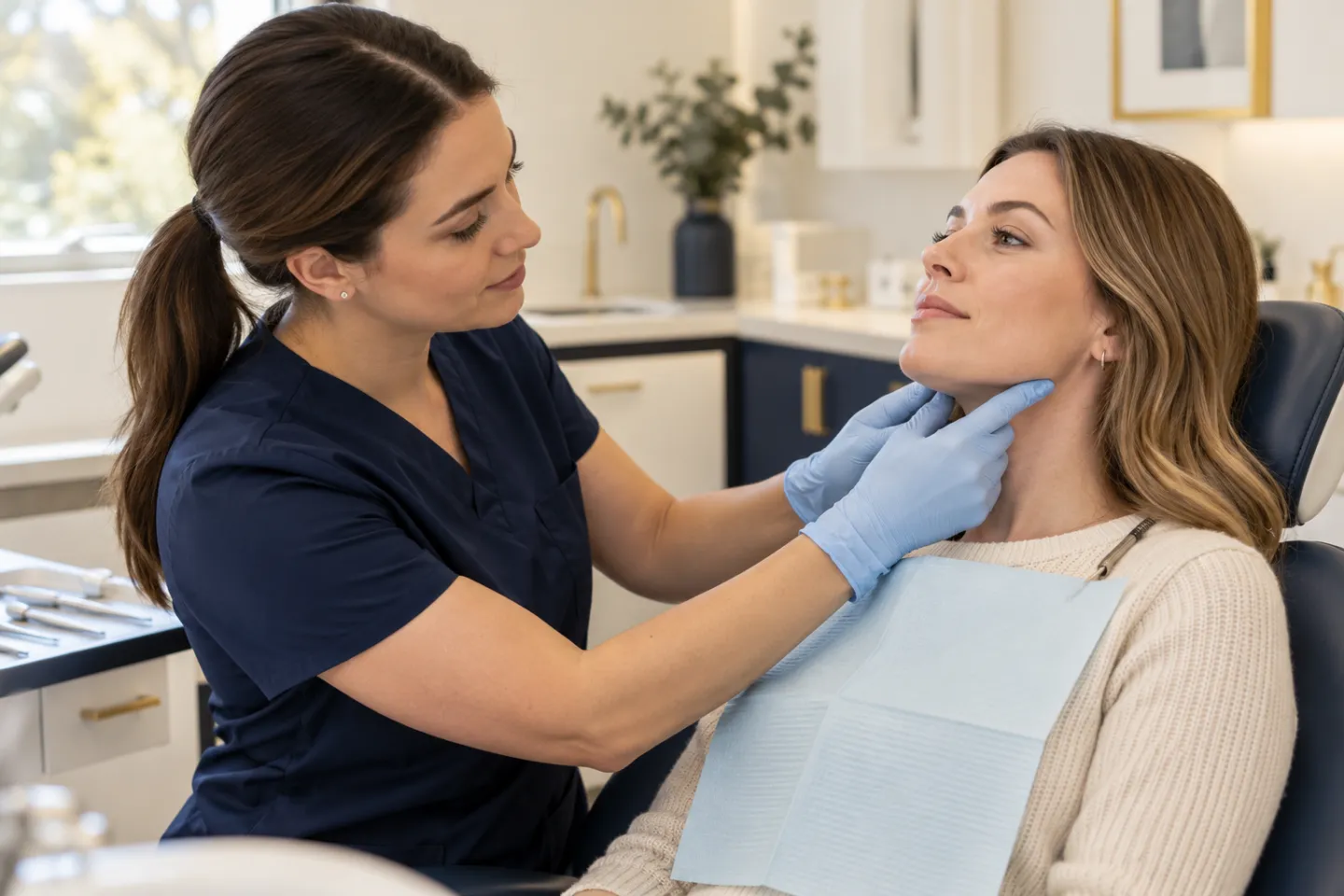
Dental care later in life should start with the person sitting in the chair. Age alone does not explain someone’s health, priorities, confidence or ability to manage a daily routine. One person may want help caring for a complicated bridge; another may be considering a first denture; someone else may simply want to keep a comfortable, familiar routine working well.
The practical goals are often straightforward: enjoying meals, speaking comfortably, keeping the mouth clean and making decisions with enough information. Those goals deserve attention whether you have all your natural teeth, several restorations, dental implants or complete dentures.
For older adults arranging dental care in Guelph, a useful plan connects what the dentist finds with what matters in everyday life. It should also make room for your preferred way of receiving information and any support you choose to involve. Good care is a conversation with you, even when someone else helps with transport or appointment arrangements.
Start with what you want to keep doing
Before the appointment, think about the activities your mouth supports. Perhaps you want to eat an apple comfortably, speak clearly at a community meeting or stop worrying that a denture will move during dinner. These details give a dental concern a practical meaning that a tooth number alone cannot convey.
Describe changes in ordinary terms. “I have started avoiding that side when I chew” is useful information. So is “Cleaning under this bridge takes longer than I can comfortably manage.” You do not need to identify a diagnosis before explaining the effect on your day.
If treatment is proposed, connect it back to that concern. What is the intended benefit? Which part addresses the current problem, and which part is optional? What would the maintenance involve? A plan becomes easier to evaluate when the purpose of each step is clear.
Your preferences may include keeping visits manageable, preserving familiar teeth where clinically possible, reducing a recurring repair problem or improving appearance. None of these should be assumed from your age. They belong in the discussion because they are yours.
Adapt the tools before abandoning the routine
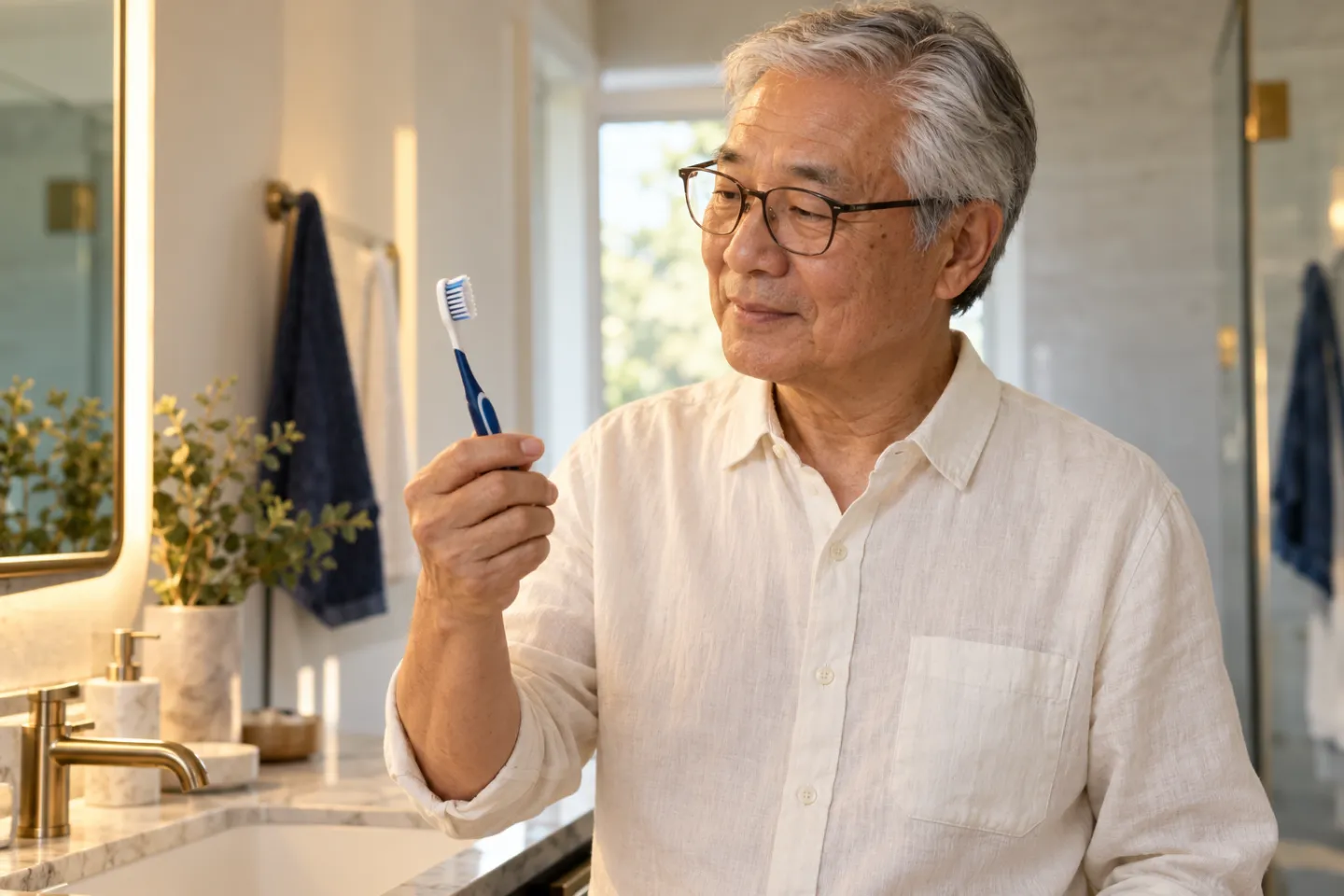
If a narrow toothbrush handle has become awkward to hold, the difficulty may lie in the equipment. The Public Health Agency of Canada describes wider or longer handles and electric toothbrushes as possible adaptations for reduced dexterity. It also emphasises respecting the person’s preference for a manual or electric brush. See Canada’s oral health guidance for seniors.
Bring your actual brush to the visit. Show the dental hygienist how you grip it and which movement is uncomfortable. A demonstration with your own equipment is more useful than purchasing a new device because the packaging says it is suitable for older adults.
Think beyond the brush head. Can you open the toothpaste comfortably? Is the charger easy to reach? Can you see which setting the brush is using? Does the handle become slippery when wet? An otherwise suitable product can fail in daily use because one small part of the routine remains frustrating.
Cleaning between teeth deserves the same attention. Explain whether the obstacle is winding floss around your fingers, reaching a back tooth or knowing where a small brush should go. Ask the hygienist to demonstrate an appropriate tool, then try the movement yourself while help is available.
Keep the setup simple. A clear space for the items you actually use is often more workable than a drawer containing several abandoned devices. If you change a tool, give the team specific feedback about what became easier and what still needs adjustment.
Natural teeth and dental work need one understandable plan
A mouth with fillings, crowns, a bridge and an implant can make home-care instructions feel like several separate projects. Ask for a simple map of your own mouth. Which areas need ordinary brushing, where does a cleaning aid pass underneath, and which components are removable?
The National Institute on Aging recommends brushing twice daily with fluoride toothpaste, cleaning between teeth daily and attending routine dental care. It also notes that a dental professional may recommend additional fluoride protection for someone at increased risk of decay. Read its guide to caring for teeth and mouth.
If an additional product is recommended, have the team write down its purpose and how it fits with what you already use. “This is for this area, at this point in the routine” is easier to follow than a list of unfamiliar names. Check whether the new recommendation replaces something or adds a separate step.
Changes at the gumline also deserve attention. Exposed root surfaces can be vulnerable to cavities, a point included in Canada’s guidance for older adults. Mention new sensitivity or difficulty cleaning a particular area so the dentist can assess it rather than assuming it is an unavoidable part of getting older.
There is no need to memorise the technical name of every restoration. Knowing how to care for it, what change to report and where to get help is far more useful.
Keep the medication conversation current
Dental teams need an up-to-date picture of your health, including prescription medicines, over-the-counter products and supplements. The American Dental Association highlights medication interactions and adverse effects as important considerations in care for older adults. It also identifies medicines as a common contributor to dry mouth. Its ageing and dental health guidance explains these issues.
A list from your pharmacy can make this easier than remembering names from several bottles. Check that it reflects what you currently take, including occasional products. Bring questions about a recent change rather than assuming information has automatically passed between your healthcare providers.
If your mouth has become dry, describe the timing and the effect. Are you waking for water, finding conversation uncomfortable or struggling with dry foods? Our dry mouth article explains how these observations can help the dental and medical teams investigate the problem and plan relief.
Do not alter a prescribed medicine because you suspect a dental side effect. Ask the prescriber or pharmacist to review the concern alongside the reason you take it. The dental office can help identify what information needs to be shared and explain how oral care can be adapted while that review happens.
Make the appointment fit how you communicate
You should be able to hear, see and understand the discussion before deciding about treatment. Mention a preference for written information, larger print or a conversation before the chair is reclined. If background noise makes speech harder to follow, explain that directly.
These requests are practical arrangements, not evidence that you cannot make your own decisions. You can ask someone to accompany you for support while still wanting the dentist to address you first. You can also ask to discuss part of the visit privately.
When several options are presented, a brief written comparison may help. Ask for the problem being treated, the proposed steps, the expected maintenance and the main uncertainties. Take the information in the format you actually use, whether that means paper or an electronic copy you can enlarge at home.
For appointments involving several steps, establish what will happen next before leaving. Knowing which visit is an assessment, which is treatment and which is a review prevents a long plan from becoming a series of unexplained bookings.
When help is useful, keep your choices visible
Support can be small and specific. Someone might pick up supplies, arrange a lift or help open packaging while you continue the rest of your routine independently. The ADA’s caregiver guidance recommends matching assistance to the individual and allowing people to perform the tasks they can manage themselves. Read its caregiver guide.
If you are helping another adult, begin by asking what they would like help with. Find out which products and times of day they prefer. Avoid silently replacing a familiar routine with the one that happens to be most convenient for you.
For hands-on assistance, ask the dental professional to demonstrate a suitable approach. Make sure the person understands what is happening and has a way to signal discomfort or ask you to stop. If a previously comfortable activity becomes distressing, report that change rather than treating it as a matter of cooperation alone.
Agree on who receives appointment information and who contacts the office if a concern develops. A companion’s availability can be useful, but it should not obscure the patient’s preferences or leave several people assuming someone else has followed up.
Dentures do not make dental reviews irrelevant
Complete dentures replace teeth, but they do not remove the need to care for the mouth. The National Institute on Aging advises continuing dental examinations even without natural teeth. It also explains that changing gum shape can affect denture fit and that adjustments should be handled professionally. See its advice on dentures and oral examinations.
Describe what has changed in use: slipping during conversation, discomfort at one edge or food repeatedly collecting in a particular place. The same denture can feel acceptable while sitting quietly and troublesome during a meal, so bring both parts of the story.
Keep your denture instructions specific to the appliance. Ask which cleaning products and storage method suit its materials, and what to do if it is damaged. Our guide to living with dentures explores these daily adjustments in more detail.
If eating has become harder, say which foods you have stopped choosing and why. That gives the team a concrete concern to investigate. Comfort at the dinner table is a meaningful treatment goal, not a minor detail to mention only after everything else.
Leave with a plan you can use
Before leaving, make sure you know what needs attention now, what is being monitored and what happens at the next visit. Ask for the costs and steps of proposed care in a written estimate if that would help you compare options or organise payment.
Discuss practical limits openly. Travel arrangements, other health appointments and the amount of time you can comfortably spend in the chair may influence how visits are organised. The dentist can explain which parts of treatment can be scheduled flexibly and which should be addressed promptly.
Dental care for older adults works best when it supports the life the person is actually living. Comfortable tools, clear explanations and well-chosen assistance can make the routine easier to sustain. Your role in the plan remains central: identifying what matters, asking for information you can use and reporting when something no longer feels right.
Further reading
- Public Health Agency of Canada: Oral health for seniors
- National Institute on Aging: Taking care of your teeth and mouth
- American Dental Association: Aging and dental health
- MouthHealthy from the ADA: The caregiver’s guide to dental health
This article offers general education. Your dental team can help you apply it to your own health, treatment and recovery.