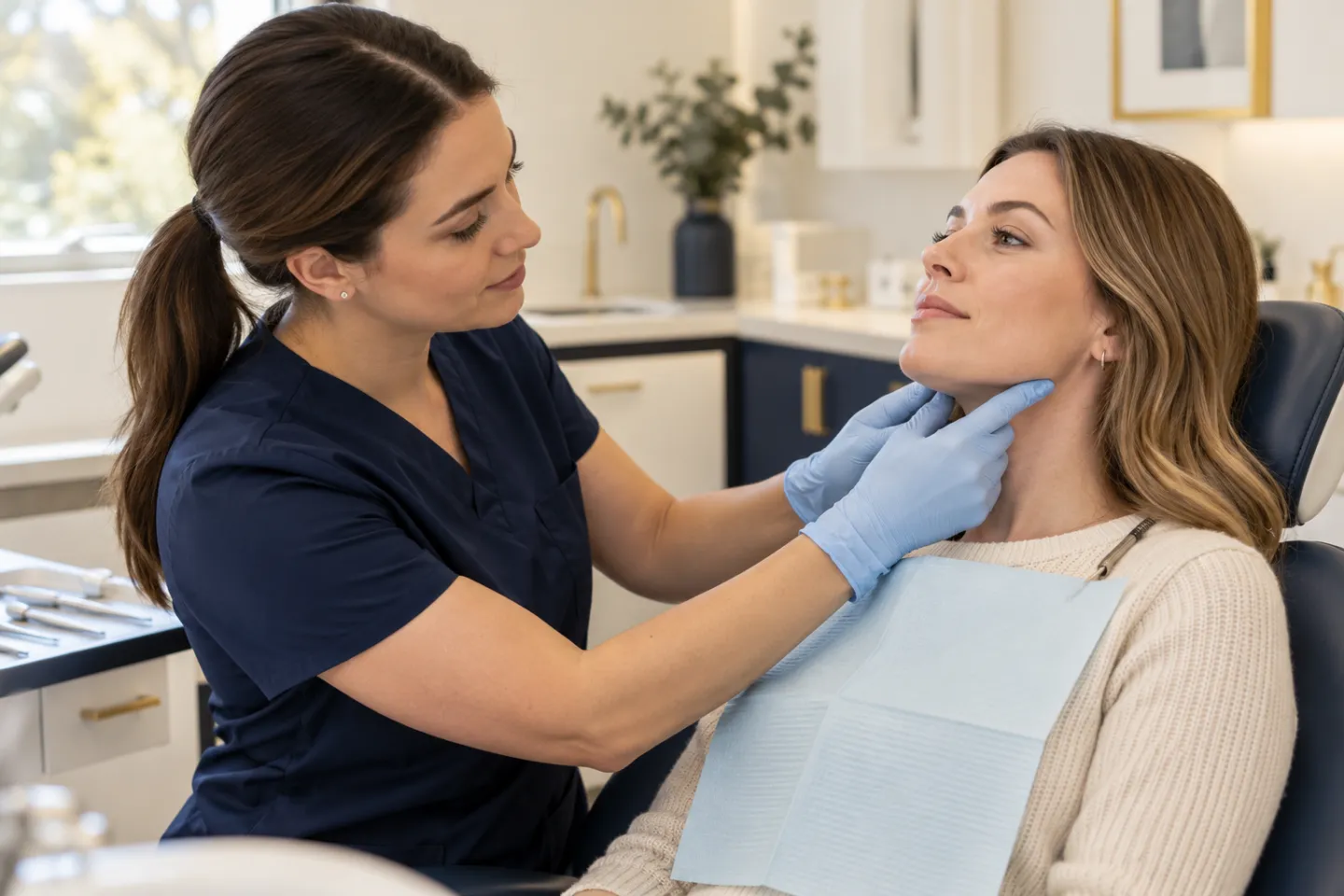
Most people already know that brushing matters. The harder question is why a cavity can appear when you feel you have been doing the right things, or which change would make the biggest difference when your routine is stretched. The answer rarely fits into a simple distinction between good and bad habits.
Cavity prevention is a combination of daily care and an understanding of your own mouth. A person with persistent dryness, someone wearing an appliance and a child learning to brush may need quite different plans. Buying the most elaborate collection of products does not automatically address those differences.
If you are thinking about preventing cavities in Guelph, start by looking at an ordinary weekday. Where does brushing happen? What do you drink between meals? Which parts of your routine are easy, and which keep slipping? Those details give a dental conversation more substance than a general promise to try harder.
What a cavity actually represents
Tooth decay develops when acids produced by plaque bacteria lead to mineral loss from teeth. Early mineral changes may be managed before a hole forms; an established cavity is permanent damage that requires a dentist’s assessment and often restoration. Fluoride and saliva help support the balance in favour of the tooth, while repeated exposure to sugars and starches can work against it. The National Institute of Dental and Craniofacial Research explains the decay process.
This distinction helps explain why two apparently similar comments at an appointment can lead to different recommendations. “We are watching an early change” and “this tooth has a cavity that needs treatment” are not interchangeable. Ask the dentist to identify the finding and explain what makes it suitable for monitoring, preventive treatment or a restoration.
A useful follow-up is: “What will tell us whether this plan is working?” You should understand the next assessment point and what would prompt a different recommendation. That turns prevention into something specific you and the dental team can follow, rather than a vague instruction to be more careful.
Look at the pattern of a day, without grading yourself
For a few ordinary days, make a brief note of meals, snacks, drinks and brushing. There is no need to weigh food, count every bite or turn the exercise into a restrictive diet. You are simply trying to notice recurring moments that are easy to miss.
Perhaps you finish breakfast and then sip a sweetened coffee throughout a long morning. Perhaps the drink you think of as an occasional treat is actually in the car every afternoon. Or perhaps food choices are already quite consistent, but your evening brushing is rushed whenever you work late.
Sugar intake is relevant to cavities, while frequent exposure to acidic foods and drinks is also associated with erosive tooth wear, a different process. “Sugar-free” therefore does not describe every aspect of a drink’s effect on teeth. The American Dental Association discusses these distinctions in its nutrition and oral health information.
Bring your observations to the appointment and ask which pattern deserves attention. If you have medical, nutritional or sensory needs that shape what you can eat, say so. Dental advice should fit alongside those needs. A suggestion that looks simple on paper is not useful if it ignores why a particular food or drink is part of your day.
For a household managing school lunches and work commutes in Guelph, one shared decision may be enough to begin: keep plain water readily available, or plan when a sweet drink is enjoyed rather than carrying it around automatically. Choose a change you can describe clearly and repeat consistently.
Make brushing less dependent on memory
Fluoride strengthens enamel and helps replace minerals lost in the earliest stages of decay. Brushing twice a day with fluoride toothpaste is a central preventive measure for adults. Children need age-appropriate advice about products and amounts from their dental professional. Water sources vary, so ask about your actual supply instead of assuming a general statement about tap water applies to your home. Read NIDCR’s fluoride information.
The practical challenge is often timing. If the final hour before bed is unpredictable, put brushing earlier in the sequence of getting ready for sleep. A charger placed near the bathroom, a reminder alongside another established habit or a spare suitable brush where you regularly stay can remove a small obstacle.
Pay attention to what causes you to hurry. Is the brush uncomfortable? Does a strong flavour make you avoid toothpaste? Is it difficult to see or reach the back teeth? Bring those concerns to the dental team instead of assuming that everyone else finds the process easy. Ask for a demonstration using a method you can physically manage.
Try to leave the appointment with a description of your technique that makes sense to you. “Spend more time” is less helpful than being shown the particular surface you miss. If you use an electric brush, ask how to guide that specific style rather than applying instructions intended for a different tool.
Discuss the spaces and surfaces you cannot judge yourself
A mirror shows only part of the picture. Ask your dental professional to point out areas that are difficult for you to clean and recommend an appropriate way to reach them. If a tool repeatedly catches, hurts or seems too large, take it with you so they can assess both the fit and how you are using it.
This conversation is especially useful after a filling, when an appliance is fitted or when a person’s hand movement changes. “I have always used this” is a reasonable starting point, but it does not mean the same method will remain the easiest option forever.
Deep grooves in back teeth raise a separate preventive question. Dental sealants are coatings placed on chewing surfaces to protect pits and grooves where material can collect. They are commonly discussed as children’s permanent molars appear, and suitability depends on an assessment of the teeth. NIDCR describes how sealants work.
You can read our dental sealants guide before an appointment, then ask which teeth, if any, would benefit. Clarify how the sealants will be checked at later visits and what home care should continue. A preventive procedure is easier to understand when it is connected to a particular tooth and a clear reason.
A dry mouth deserves its own conversation
Saliva helps protect teeth, and persistent dry mouth can increase the risk of decay. Medicines and several health conditions can contribute. A dentist or physician can investigate the cause and discuss suitable ways to manage it; do not change a prescribed medicine on your own. NIDCR’s dry mouth information explains the connection.
It is easy to leave dryness out of a dental discussion because it may feel unrelated to a specific tooth. Mention it even if you have become accustomed to carrying water everywhere or waking with a sticky mouth. Describe when it happens, how long it has been present and whether it changed around the time a medicine was started or adjusted.
Bring an up-to-date list of medicines, supplements and products you are using for relief. You do not need to work out the cause before asking for help. The purpose of the list is to give the clinicians a reliable picture, including items you might not think of as prescriptions.
Ask whether your preventive plan needs to change and how any recommended product should be used. Write down the instructions, particularly if the product is different from your usual toothpaste or rinse. Several products with similar packaging can have very different directions; the advice should be specific enough that you are not guessing at home.
What if you keep getting cavities?
A repeated finding is a reason for a closer conversation, not a reason to assume that you are failing. Bring the routine you actually follow, including what you use and when. If you are embarrassed about an aspect of it, say that too. An accurate account is more useful than one that sounds ideal.
Ask the dentist to explain the pattern: are the new concerns around existing restorations, between teeth, on exposed root surfaces or in chewing grooves? You are not trying to diagnose yourself from a location. You are asking how the findings connect to the plan being proposed.
Then ask which recommendation is most important for your situation. You may receive several suggestions, but understanding the priority helps you organise changes. If a product is costly or difficult to find, mention that before leaving. If a technique is difficult because of an injury, disability or gag reflex, ask to work on an alternative.
Our guide to dental fillings can help when an existing cavity needs treatment. At that appointment, ask both how the tooth will be restored and how future risk will be managed. These are related discussions, and you deserve an explanation of each.
Turn a recommendation into a small experiment
Suppose your main difficulty is missing the evening routine on late shifts. “Be more disciplined” does not tell you what to do differently. A more concrete plan is to choose a reliable point in your evening, set out the supplies and decide what will happen on nights when the usual schedule changes.
Or suppose a sweetened drink has become a companion for every errand. You could decide in advance when you want that drink and keep a separate bottle of plain water for the rest of the trip. The aim is to make the decision once, rather than reconsidering it at every stop.
At the next visit, report what worked and what did not. If a suggested product sits unused because it is unpleasant or awkward, that is valuable information. A plan can be adjusted when the dental team knows the barrier. Quietly abandoning it leaves everyone with an inaccurate impression of what has been tried.
Choose one or two specific actions to start, and keep the other recommendations written down. This is an organisational approach, not a claim that a single habit will prevent every cavity. Your dental team can help you decide which changes are appropriate and when to review them.
Leave the next appointment with three answers
Before you finish, make sure you understand what your current cavity risk means, which home-care steps apply to you and when your teeth should be reassessed. If an early area is being monitored, ask what symptoms or changes should prompt an earlier call.
You can use the Patient Education library to revisit a topic after the conversation, when there is more time to take it in. Keep a brief note of the questions that remain rather than trying to remember them months later.
Preventing cavities in Guelph is ultimately about making informed choices within the life you already lead. A clear explanation, a manageable routine and a plan suited to your mouth give those everyday choices a purpose. Start with the detail you understand least, ask for help with the step you find hardest and build from there.
Further reading
- NIDCR: The tooth decay process
- American Dental Association: Nutrition and oral health
- NIDCR: Fluoride and dental health
- NIDCR: Dental sealants
- NIDCR: Dry mouth
This article offers general education. Your dental team can help you apply it to your own health, treatment and recovery.