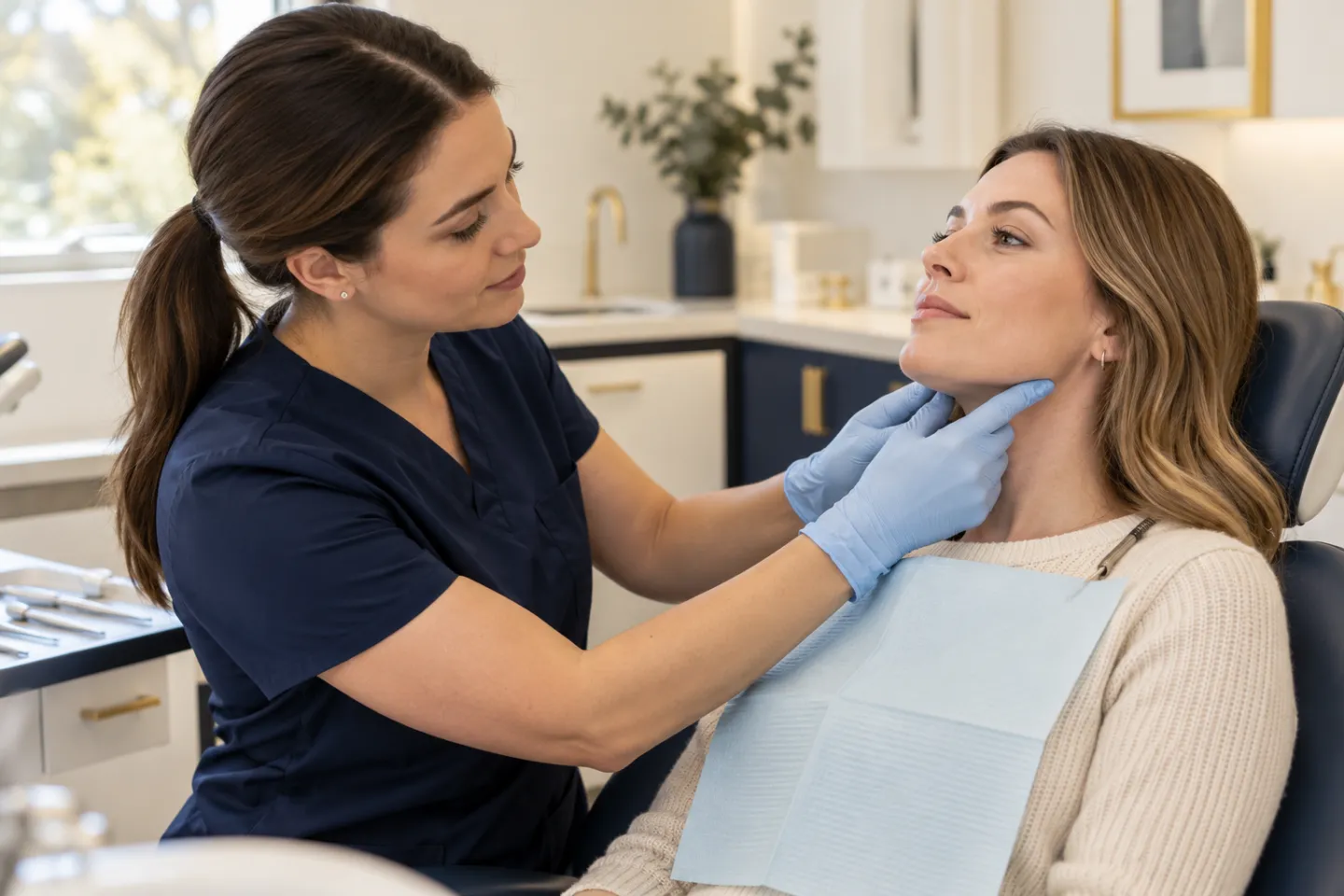
The extraction appointment is only one part of having a tooth removed. Once you get home, ordinary questions become surprisingly important: What is easy to eat? Where did the written instructions go? Is the change you are noticing expected? Who should you call if something does not seem right?
Preparing for those questions can make tooth extraction recovery in Guelph less confusing. You do not need an elaborate recovery kit or a shelf full of remedies. You need the instructions for your procedure, suitable food, a practical plan for the first few days and a clear route back to professional advice.
This article explains the purpose behind common aftercare advice and helps you organise recovery. Your own dental team’s instructions take priority because the procedure, your health and any medicines or anaesthesia can change what is appropriate.
Before you leave, make the plan usable
Ask for written aftercare information and the contact details to use during and outside office hours. Check that you understand what to do about bleeding, how to use any recommended medication and when you should be reviewed. If someone is helping you, include them in the explanation with your permission.
Separate the instructions into three practical parts: what to do today, what changes after the first day and what should prompt a call. A dense page is easier to use when you know where those answers are. Ask the team to clarify anything that seems ambiguous before leaving.
Find out whether you have stitches and whether they require a follow-up appointment. Do not assume that every stitch dissolves or that another person’s timeline applies to your procedure. Make a note of any review already arranged.
If you received instructions about transport, supervision, driving or other activities because of medication or anaesthesia, follow them exactly. Feeling awake does not replace those instructions. Confirm the arrangements in advance so the person assisting you knows what is expected.
Keep a copy of the office number where it is easy to find. Our tooth extraction guide offers general reference information, but it should sit alongside the personalised directions you receive.
Why protecting the socket matters
After a tooth is removed, a blood clot forms in the socket and helps protect the area as healing begins. Disturbing that clot can interfere with recovery. This is the reason behind advice to avoid vigorous rinsing, forceful spitting, smoking and drinking through a straw during the period your dentist specifies. The American Dental Association’s extraction information explains these precautions.
Think of the socket as an area to leave undisturbed, not something that needs repeated inspection. Resist checking it with a finger, tongue, toothpick or household tool. The desire to see whether it is healing is understandable, but poking the site will not give you a reliable answer.
Do not use a mirror photograph as the only way to decide whether recovery is going well. Light, saliva and the angle of a picture can make an area look different from one moment to the next. Symptoms, the direction of change and professional assessment are more useful.
If the instructions seem inconvenient, ask why they matter rather than quietly substituting a familiar habit. Knowing the purpose of a restriction often makes it easier to plan around it for the required period.
Arrange the kitchen before the appointment
Choose a few soft foods that you already enjoy and can prepare without much effort. Smooth soup that has cooled appropriately, scrambled eggs, mashed vegetables and soft pasta may be practical options, depending on your instructions. Consider texture as well as temperature; crunchy pieces, seeds and hard fragments can make a soft-looking meal less suitable.
University College London Hospitals advises soft foods in the early recovery period and avoiding hot food or drink while the mouth remains numb, when burns or accidental biting can be harder to notice. Its post-extraction information also explains the need to protect the socket.
Prepare ordinary portions rather than assuming you will want one particular food for several days. Having two or three choices can make meals easier when your appetite or comfort changes. Follow any other dietary advice relevant to your health.
Keep water available and use a cup rather than improvising with a straw. If you have been given a specific fluid restriction for another condition, continue to follow the relevant medical advice and ask how it fits with recovery.
If somebody offers to help, give them a concrete task: bring suitable groceries, prepare a meal or handle the dishes. Practical assistance can be more useful than a collection of unrequested remedies.
Understand the bleeding instructions before you need them
Some blood-tinged saliva can occur after an extraction. Active bleeding that continues or fills the mouth is a different concern. Use the gauze and pressure technique your dental team has shown you, and contact them if bleeding persists despite following that advice. The UCLH aftercare guide distinguishes mild blood-stained saliva from ongoing bleeding that needs attention.
Ask in advance how long to maintain pressure, when to replace gauze and when to call. Having the answer written down prevents repeated removal of the gauze simply to see whether anything has changed. Do not keep adding home treatments when the agreed threshold for contacting the office has been reached.
Tell the dental team about blood-thinning medicines before the procedure, and follow the plan they provide. Do not stop or alter prescribed medication on your own because you are worried about bleeding.
If bleeding is heavy or uncontrolled, or you feel faint or seriously unwell, seek urgent medical help. A recovery article is not a reason to delay assistance while trying every suggestion on the page.
Medicines belong to a specific plan
Before using a pain medicine, understand the instructions and whether it is appropriate alongside your usual medication and health conditions. Read labels and ask a pharmacist or the treating dental team if you are unsure. Avoid combining products without checking their ingredients; different brand names can still contain the same medicine.
If a prescription was provided, follow its directions. Do not use someone else’s tablets or leftover antibiotics from an earlier problem. Antibiotics are not required after every extraction, and whether they are indicated is a clinical decision. Alberta Health Services’ extraction guidance emphasises using medicines as directed and notes that not everyone needs antibiotics.
A simple record can help if you have several medicines to manage. Write the product name, the instructions you were given and what you have taken. Keep this private record available if you need to call about symptoms. Do not create your own dosing schedule from a general article.
If you develop a suspected medication reaction, seek advice promptly rather than deciding to tolerate it because the medicine was prescribed. Breathing difficulty or swelling of the tongue or throat requires emergency help.
Rest needs to fit your actual responsibilities
“Take it easy” can mean very different things to different people. A parent carrying a toddler, a person working a physical shift and someone answering emails from home do not have the same demands. Explain your usual activities before the procedure and ask what restrictions apply to you.
Arrange help with lifting, exercise, household tasks and dependants as needed. Follow the rest period in your instructions instead of using somebody else’s quick recovery as a target. Returning to normal is a process to discuss, not a competition.
If your work schedule is difficult to change, raise that before choosing a treatment date. Ask about the expected range of recovery for your extraction and whether a note or other practical information is available. Leave room for uncertainty rather than promising a full schedule immediately afterwards.
For recovery at home in Guelph, consider simple logistics such as groceries, transport to a review and a charged phone. There is little benefit in arranging a quiet day if you must spend it solving errands that could have been handled beforehand.
Keep the rest of your mouth clean carefully
Oral hygiene still matters, but the extraction area needs protection. Follow the timing and technique given by your dental team. General aftercare commonly includes avoiding rinsing during the first 24 hours and then using gentle rinses as instructed; vigorous swishing can disturb the clot. Alberta Health Services explains this distinction.
Ask which teeth you can brush normally and how to approach the area beside the socket. Do not aim an electric brush, water flosser or other device directly into the site unless the treating professional has specifically instructed you to use it there.
If a rinse or other product has been prescribed, use the directions provided for that product. More frequent or more vigorous use is not automatically better. Do not replace it with an internet recipe or add several rinses because they all sound helpful.
Bring any conflicting instructions back to the treating team. Hospital handouts and online guides may describe different procedures or circumstances, so a difference does not mean you should combine the strictest parts of every source into one complicated routine.
Pay attention to the direction of change
Recovery is not identical from person to person. Some soreness and swelling can occur, and the procedure’s complexity affects the course. What matters is whether symptoms follow the pattern your team described or begin changing in a concerning way.
New or increasing pain after an initial improvement deserves a call. One possible complication is dry socket, where the protective clot does not form properly or is lost; it can cause significant pain and needs dental assessment. The NHS inform guidance describes dry socket and other complications.
Do not try to pack the socket with household substances or treat it by repeatedly flushing the area. Contact the office, describe the timing and explain whether pain is increasing, decreasing or changing character. Include any bad taste, fever, swelling or medication you have taken.
A useful update is specific: “The discomfort was easing yesterday, but today it is much stronger and I have a bad taste.” That information is more actionable than “I think something looks wrong.” You do not need to identify the complication before asking for help.
Know which signs need prompt help
Contact the treating office promptly for persistent bleeding, worsening or severe pain, increasing swelling, fever, discharge or a feeling of being unwell. Also report numbness that lasts beyond the period your team told you to expect, or any symptom that does not fit the recovery plan.
Swelling that makes breathing or swallowing difficult, or extends towards the eye or neck, requires emergency medical care; call 911 in Canada. The NHS toothache guidance identifies these as emergency warning signs.
If you cannot reach the treating office, use its after-hours instructions or seek urgent dental or medical assessment according to the symptoms. Do not wait for the next scheduled check when the situation is becoming worse.
Tooth extraction recovery in Guelph is easier to navigate with a clear plan than with a collection of disconnected tips. Prepare the practical details, protect the healing area and keep the treating team informed when something changes. Once the immediate recovery is established, you can discuss any longer-term questions, including whether the missing tooth needs replacement, at the appropriate follow-up. Our guide to options for missing teeth can help you prepare for that later conversation.
Further reading
- American Dental Association: Extractions
- University College London Hospitals: Dental extraction aftercare
- Alberta Health Services: Tooth extraction
- NHS inform: Wisdom tooth removal and recovery complications
- NHS: Toothache and emergency warning signs
This article offers general education. Your dental team can help you apply it to your own health, treatment and recovery.